If you’re struggling to pay your mortgage, there are a number of ways your provider may be able to help. These options are known as forbearance. Not everyone is eligible, but they’re worth asking about if things are difficult or will be in the near future.
Forbearance is a formal agreement with your lender. It’s designed to give you some room to breathe when money troubles are getting too much. It can take a variety of forms, but the aim is to take some of the pressure off while you get back on your feet financially. This typically means pausing payments or freezing interest or other charges for a set period of time.
Types of forbearance
Forbearance isn’t a legal requirement, but most lenders have signed up to the Mortgage Charter, which standardises measures to support struggling mortgage holders. The main options they might be able to offer include:
Breathing Space:
A government scheme that gives you protection from creditors for up to 60 days for any existing arrears other than your mortgage. It means they can’t contact or take action against you, or add interest or other charges to your debt. This gives you time to seek advice about your debts and make a plan, while prioritising your mortgage payment. There’s also a specific Breathing Space scheme for if you find yourself in a mental health crisis. It comes with certain conditions, but it doesn’t have the 60-day limit.
Payment Arrangement:
If you’re behind on payments, your lender may let you spread your payments over an agreed period of time. This is usually on top of your normal monthly repayment and it will appear on your credit report. You may need to fill in a form to show your income and expenses.
Reduced Payment Arrangement:
You may be able to agree lower monthly repayments for a set time. This will show up on your credit report.
Token payment:
You pay a small amount to show willing. This will appear on your credit report.
Payment holiday or deferral:
You may be able to stop your repayments altogether for a while. The payments you miss will often be added to the end of your agreement and you’ll be charged interest during this time. This will show up on your credit report.
Each of these options offers some relief from money troubles and gives you a bit of time to deal with them without your home being at risk. However, it’s important to remember that there are both pros and cons to forbearance – and you’ll need to make sure you make plans for when it ends.
The benefits of forbearance
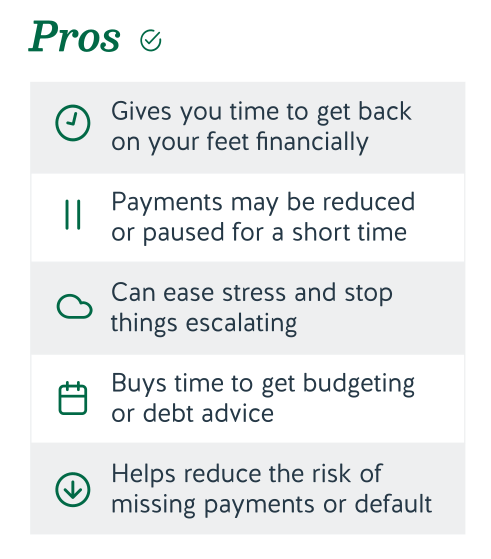
Whichever option you are offered, the main advantage of forbearance is that it gives you some time to get your finances in order. It’s often flexible, allowing your lender to make sure you’re getting a type of support that best suits your situation.
Forbearance measures can provide welcome relief when you’re feeling overwhelmed by money worries. With repayments temporarily paused or lower, you can get financial advice and draw up a budget to help you manage payments going forward.
Forbearance can also reduce the stress you might be feeling if you’re worried that you’ll be in danger of defaulting on a mortgage or loan. This can be very damaging to your credit score and may result in legal action, so having some extra time to make sure you avoid this takes the pressure off.
The downsides of forbearance
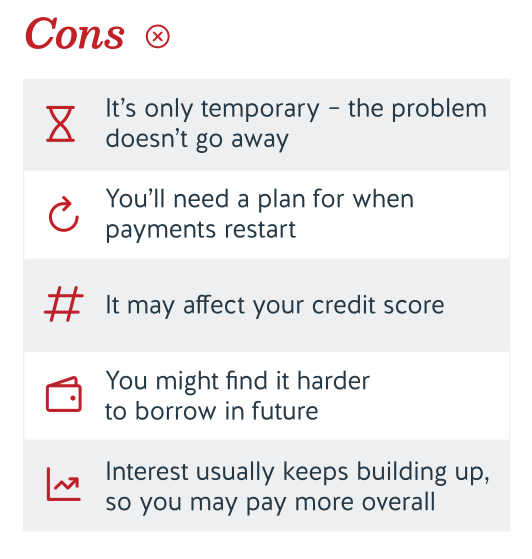
The most obvious downside of forbearance is that it’s only ever a temporary solution – it won’t make your money problems go away. It can buy you some time to deal with them, but it will come to an end. It’s vital to have a plan in place for continuing your payments by the time this happens.
There are knock-on effects, too. Your credit score may drop if missing payments are recorded, and most types of forbearance will appear on your file. This could make borrowing harder in the future and impact other things you may want to sign up for, such as a mobile phone contract or car finance.
What’s more, the temporary relief you get from forbearance comes at a cost longer term, because it can mean longer repayment terms and higher payments once it ends. Interest will continue to build up while your payments are paused, so you may end up having to pay back more.
Is forbearance a good idea?
Forbearance is there primarily to buy time, but it’s not a magic wand to wave away money problems or guarantee that you’ll avoid your home being repossessed. The relief it brings won’t last forever. Your payments will start again eventually, so it’s crucial to have a plan in place for when this happens.
Ultimately the decision over whether or not to opt for forbearance needs careful weighing up. It can help you out of a tight spot – if you’ve lost your job, for example – but it comes at a price longer term. If you’re going through money worries, it’s always a good idea to speak with a debt advice service to get some guidance before deciding. You’ll find contact details of organisations that can help on our Additional Support page.
Benefits and limitations
of forbearance options
There’s lots to think about when deciding whether or not to take advantage
of forbearance options. Here are the pros and cons at a glance.
ARTICLES & BLOGS
A little further reading
If you’d like to dig deeper, read our articles and blogs for the best Homeowner Loan content and insight.
A case study about Short Term Forbearance
I changed jobs and didn’t get paid for a few months.