FINANCIAL WELLBEING HUB

Reduced income

FINANCIAL WELLBEING

Reasons for reduced income

There are all sorts of reasons why your income might take a hit and make it harder to pay your mortgage. Understanding what these are means you can be prepared if this happens to you.

Life throws all kinds of challenges our way, and many of them can impact your earnings.

Some of the main things to watch out for are

Illness

Short-term sickness, an accident-related injury or surgery, or a chronic condition. Illness of any kind can mean taking time off work, and you may need to make do on Statutory Sick Pay.

Mental health problems

Mental health is made worse by financial struggles and vice versa, impacting your ability to work and earn money.

Caring responsibilities
There may be times when you need to stop working for a while to care for a loved one or have a baby.
Self-employment
If you’re self-employed or on a zero-hours or temporary contract, your income is likely to change naturally. There will be some months where you earn less than others.
Major personal situations such as divorce or bereavement can mean taking time out of work while you come to terms with what’s happened. Divorce can also mean added expense that eats into your income.
Pay cut or job loss
If you’ve lost your job, your income is likely to take a hit until you find a new one. You could also have your hours reduced or go from full to part time if your employer is cutting costs. If you’ve been given a redundancy payout this will give you some leeway, but it won’t last forever.

Benefits change
Changes in benefits entitlement will affect how much you receive. This could be due to your personal situation or a change in Government policy.

Your own spending and saving habits come in here too. If you’re motivated by saving or investing, for example, you’re likely to be spending less and earning passive income from interest.

What to do if income income drops

Changes like these could affect the outcome of a mortgage application or make it more difficult to afford your monthly repayments.

If your financial circumstances have changed for whatever reason, your first port of call is to go back to your budget. If you’ve not yet drawn one up, follow our instructions here.

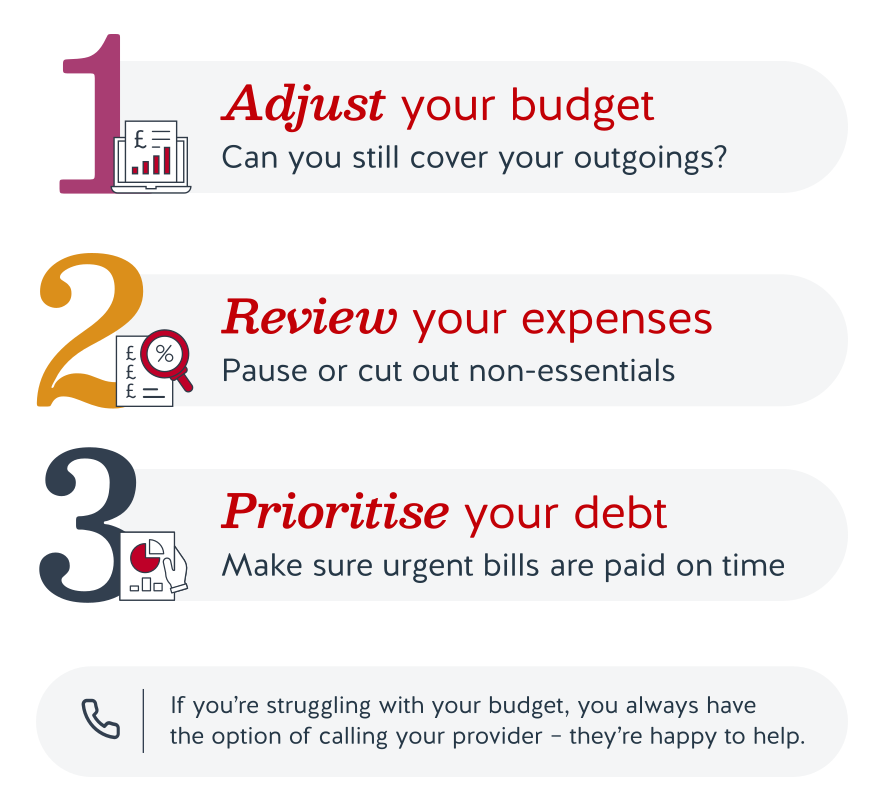
  1. Adjust your budget to reflect your new lower income. See whether there’s still enough to cover your monthly outgoings.
  2. If not, review your expenses. Are there any non-essentials that you can pause or cut?
  3. While you’re at it, prioritise your debt so that you can focus on making sure the most pressing ones are paid on time.

If it’s looking likely that you’ll struggle to pay your mortgage, try not to panic. Reach out to your mortgage provider as soon as possible. We understand this can feel scary, but they’re there to help. They may be able to offer a range of forbearance options – such as a mortgage holiday or temporarily lower repayments.

Finally, visit our Money Worries page and you’ll find answers to common questions about what happens if you’re struggling with your mortgage payments. Our Additional Support guide has the contact details of a number of charities who can also offer help and support.

Reduced income

If you find yourself with less money coming in, don’t panic. Follow these three simple steps.

ARTICLES & BLOGS

A little further reading

If you’d like to dig deeper, read our articles and blogs for the best Homeowner Loan content and insight.